


Let’s start with a simple truth.
A landmark building isn’t just tall.
It isn’t just expensive.
And it certainly isn’t just covered in glass.
A landmark carries responsibility.
When a building becomes the face of a city, a headquarters, a cultural centre, a signature tower , people expect more from it. Not just beauty. Not just height. More.
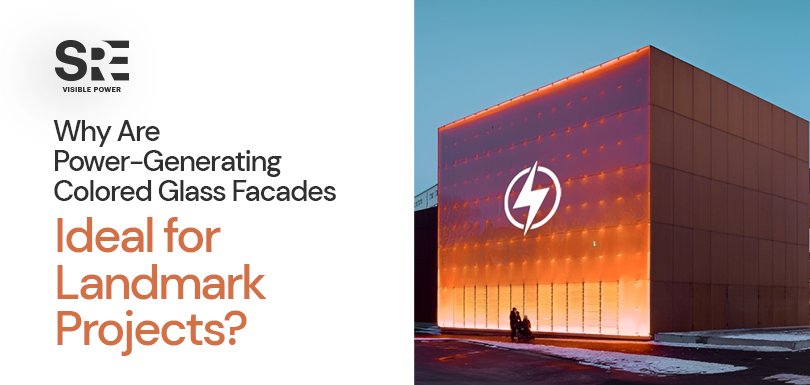
And that’s exactly where power-generating colored glass facades enter the conversation.
A Landmark Can’t Afford to Be Ordinary
Think about it.
If you’re building something that will define a skyline for the next 40–50 years, do you really want it to just look modern? Or should it actually be modern?
Regular glass reflects sunlight.
Power-generating glass uses it.
That difference might sound technical. It’s not. It’s philosophical.
A landmark project shouldn’t just consume resources while posing for photographs. It should contribute something back.
Architects Don’t Like Compromise (And They Shouldn’t)
Let’s be honest , most architects cringe at the thought of “adding solar later.”
It feels like an afterthought. A patch. A mechanical layer pasted onto design.
The reason colored photovoltaic glass is gaining attention is simple: it doesn’t fight design , it becomes part of it.
You still get control over:
- Color tones
- Texture
- Transparency levels
- Light diffusion
But now the façade is doing something intelligent behind the scenes.
For a landmark that matters. You can’t dilute design intent. Ever.
The Economics Make Sense, Especially at Scale
Here’s where developers lean forward.
Landmark projects are massive. That means large façade areas. And large façade areas mean enormous exposure to sunlight.
Now imagine if that surface wasn’t just aesthetic cladding, but an energy-generating asset.
Over time, that translates into:
- Reduced operational energy load
- Lower dependence on external supply
- Better long-term asset performance
When you’re working on a multi-crore project, lifecycle thinking becomes crucial. Short-term savings don’t impress serious developers. Long-term resilience does.
Prestige Has Changed
A decade ago, prestige meant Italian marble and triple-height lobbies.
Today? It means intelligence.
Corporate tenants ask about sustainability credentials. Investors look at ESG alignment. Governments push toward energy efficiency norms.
If your landmark building produces part of its own electricity through its façade, that’s not a footnote. That’s positioning.
It tells the market:
“This isn’t just architecture. It’s advanced infrastructure.”
That’s powerful.
Cities Are Under Pressure
Urban centres are expanding fast. Energy grids are strained. Climate conversations aren’t theoretical anymore; they’re practical.
Landmark projects sit under scrutiny. They’re visible. They’re symbolic.
When such buildings integrate renewable energy directly into their design, they send a message:
We’re not just building for today’s applause.
We’re building for tomorrow’s accountability.
And in many cities, planning bodies are increasingly supportive of projects that push sustainable boundaries.
Being proactive gives developers an edge.
There’s Also a Psychological Factor
Let’s not ignore the emotional side.
When people walk past a landmark building and know it generates energy from sunlight, something shifts.
It feels progressive.
It feels responsible.
It feels intelligent.
That emotional perception adds intangible value. And intangible value often translates into brand equity.
It’s About Longevity
Landmarks aren’t meant to fade into irrelevance.
Some iconic buildings of the past now struggle with efficiency issues because sustainability wasn’t part of the design conversation back then.
Today, developers have the chance to avoid that mistake.
Integrating power-generating colored glass at the design stage means future-proofing the structure. It reduces the risk of expensive retrofits and aligns the building with long-term energy realities.
For a project meant to last generations, that foresight is critical.
So Why Are They Ideal for Landmark Projects?
Because landmark projects demand:
- Visual distinction
- Technical innovation
- Long-term viability
- Environmental responsibility
- Strong market positioning
Power-generating colored glass facades quietly deliver all of that , without forcing architects to sacrifice aesthetics.
They allow a building to shine and function at the same time.
A landmark shouldn’t just reflect the sun.
It should harness it.
And in 2026, that’s not futuristic thinking.
That’s simply smart design.