


Architectural facades are undergoing a fundamental transformation. Once considered static enclosures, they are now becoming active systems that generate power, regulate climate, and express sustainability. Power-generating colored glass facades represent a new design tool for architects shaping future-ready buildings.
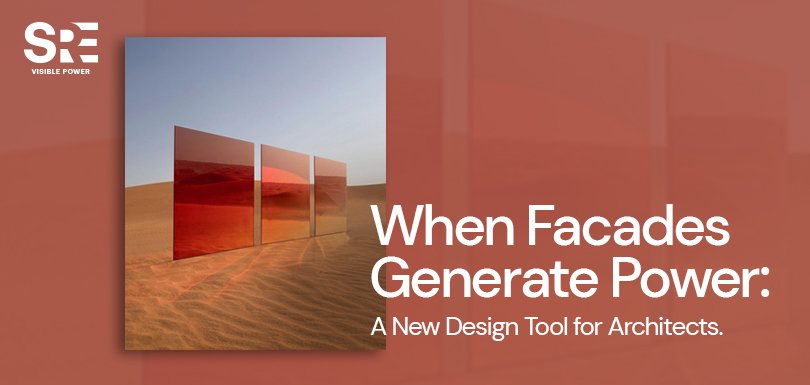
Shree Rang Energy (SRE) is pioneering this change in India with customized energy-active façade solutions.
Redefining the Purpose of the Facade
Traditionally, energy generation was limited to rooftops. However, vertical surfaces receive consistent solar exposure throughout the day. By converting façades into energy-producing surfaces, architects can significantly enhance a building’s renewable capacity without altering its footprint.
This redefinition allows sustainability to be embedded at the core of architectural design.
Designing with Energy in Mind
Colored photovoltaic glass enables architects to work with light, shade, and color while generating electricity. Instead of hiding solar systems, architects can make energy generation a visible and intentional design feature.
SRE ensures that energy performance complements architectural expression rather than constraining it.
Strategic Value for Contemporary Projects
Energy-generating façades help architects meet sustainability targets, reduce operational energy costs, and increase building value. They also support green certifications and corporate sustainability narratives, making them ideal for commercial, institutional, and landmark developments.
Conclusion
When façades generate power, architecture gains purpose beyond form. With Shree Rang Energy’s power-generating colored glass facades, architects can design buildings that are efficient, expressive, and future-oriented—without compromise.