


The Architect’s Dilemma For years, the word “solar” was a point of contention in the design world. Architects, driven by a vision of sleek lines, transparency, and aesthetic harmony, often viewed solar panels as an “ugly necessity.” Traditional solar technology—with its bulky frames, visible silver busbars, and industrial blue-black cells—was something to be hidden on the roof, far away from the carefully curated aesthetic of the building’s facade. The dilemma was clear: you could have a beautiful building, or you could have a sustainable building, but you could rarely have both.
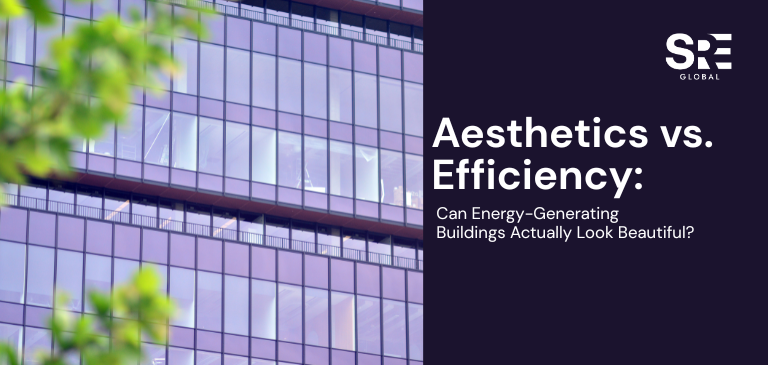
The End of Compromise: Energy-Generating Beauty At Shree Rang Energy (SRE), we believe that compromise is the enemy of innovation. We founded our BIPV division on a single, powerful principle: Energy-Generating Beauty. We realized that if sustainable technology was going to become the standard for the world’s skylines, it had to be indistinguishable from premium architectural materials. We have spent years perfecting the art of “Invisible Technology,” where the power-generating components are seamlessly integrated into the aesthetic fabric of the glass itself.
The Palette of the Modern Architect One of the most significant breakthroughs SRE has brought to the Indian market is the ability to customize the appearance of photovoltaic glass. No longer restricted to dark, opaque panels, architects can now choose from a vast spectrum of options:
- Vibrant Colors: Using advanced ceramic printing and specialized interlayers, we can produce glass in shades ranging from warm terracottas and earthy greens to metallic silvers and deep blues. This allows the building to reflect its cultural context or corporate identity.
- Controlled Transparency: We can vary the density of the solar cells to provide different levels of Visible Light Transmission (VLT). This means an architect can design a facade that lets in plenty of natural light for a workspace while still harvesting energy from the “solid” parts of the glass.
- Textured Finishes: From matte, anti-glare surfaces to high-gloss reflective finishes, our glass can mimic the look of traditional materials like stone, wood, or high-end frosted glazing.
Performance Meets High Design A common question we receive is: Does the color or transparency reduce the efficiency of the solar glass? While any coating has a minor impact on light absorption, SRE’s engineering team has optimized these coatings to ensure that the drop in efficiency is negligible compared to the massive gains in aesthetic appeal and thermal management. By making the glass beautiful, we encourage its use across the entire surface of the building, rather than just a few panels on the roof. This “Total Surface” approach often results in a much higher total energy yield for the building than a few highly efficient but “ugly” panels could ever achieve.
Case Studies in Purposeful Beauty Imagine a corporate headquarters in GIFT City, Gujarat, where the vertical louvers don’t just shade the windows but also power the elevators. Imagine a luxury hotel in Udaipur where the balcony railings are made of deep-blue glass that looks like the lake but generates enough power to light the lobby. This is the reality SRE is creating. We are giving architects the freedom to dream without the fear of technical limitations. We are moving away from the era of “bolted-on” solar and into the era of “integrated” energy.
Conclusion
Designing for the Next Century The buildings of the 21st century must do more than just look good; they must be responsible citizens of the planet. However, responsibility should not look like a sacrifice. At Shree Rang Energy, we are proving that the most sustainable buildings can also be the most beautiful. By marrying form and function, we are empowering the next generation of Indian architects to design landmarks that are as efficient as they are iconic. Your building’s beauty is no longer just skin deep—it is the source of its power.